In the food industry, it is crucial to keep track of all transactions and payments made for orders. One way to ensure accurate record-keeping is by using printable food invoices. These documents not only serve as proof of purchase but also help in managing finances and inventory effectively.
Printable food invoices are customizable templates that include essential details such as the name and address of the customer, itemized list of products ordered, quantity, price per item, total amount due, and payment terms. These invoices can be easily printed and handed to customers or sent electronically for online orders.
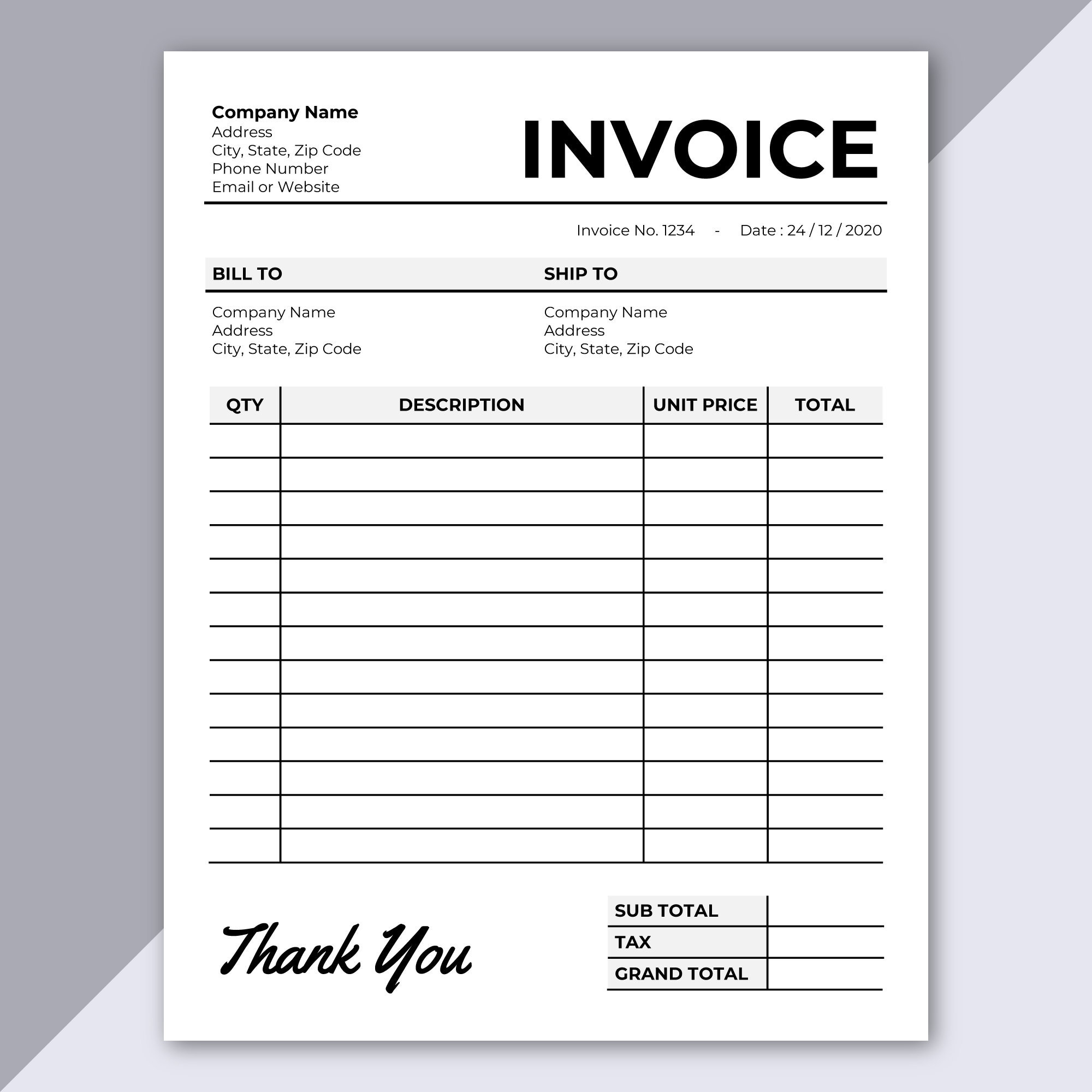 Printable Food Invoice
Having a standardized food invoice template can streamline the billing process and reduce errors in calculations. It also provides a professional image for your business and builds trust with customers. Additionally, keeping a record of all invoices can help in tracking sales, monitoring inventory levels, and analyzing customer buying patterns.
When creating a printable food invoice, it is important to include a unique invoice number for each transaction, along with the date of purchase and payment due date. You should also clearly outline the terms of payment, such as accepted payment methods and any applicable late fees. Make sure to itemize all products or services purchased, including quantities and prices, to avoid any confusion.
Using printable food invoices can also help in tracking expenses, calculating profits, and preparing financial reports for tax purposes. By keeping organized records of all transactions, you can easily generate reports to assess the financial health of your business and make informed decisions for future growth.
In conclusion, printable food invoices are essential tools for any food business to maintain accurate records of transactions and payments. By using customizable templates, businesses can streamline the billing process, reduce errors, and improve overall financial management. Incorporating printable food invoices into your operations can help in tracking sales, monitoring inventory, and analyzing customer behavior, ultimately leading to better decision-making and increased profitability.